



Subaru Ascent Cargo Space | All Model Years
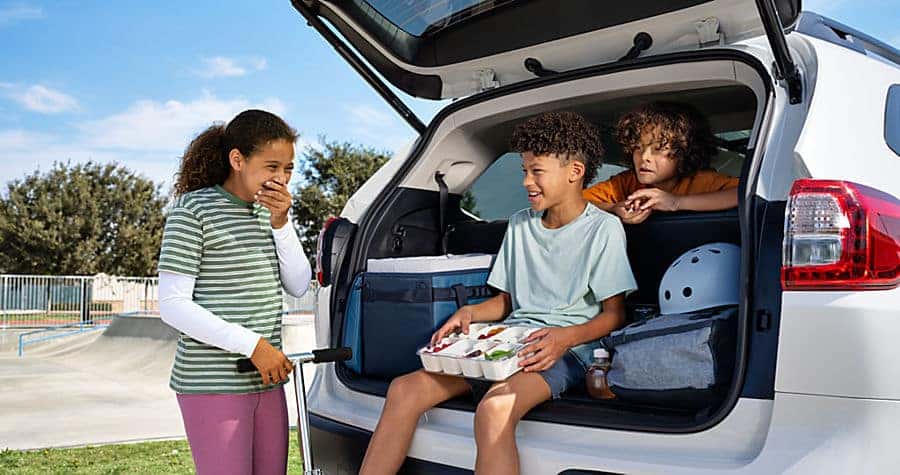
At Conley Subaru, we talk about Subaru Ascent cargo space with customers almost every day. Families in the Bradenton and Sarasota area want one SUV that can handle car seats, beach gear, school projects, and a big Costco run without breaking a sweat. The Ascent was built for exactly that job, and its generous cargo room is one of the reasons so many shoppers end up choosing it.
Below, we walk through Subaru Ascent cargo space for every model year so far, starting with the newest models first. Where the specs match from year to year, we group them together, and we also point out how the Ascent’s cargo rating has changed on paper even though the real world space has stayed very family friendly.
2026 Subaru Ascent Cargo Space
The 2026 Subaru Ascent continues the formula that has made recent models so popular. Subaru lists up to 75.6 cubic feet of cargo space behind the front seats when you fold both rear rows, making the Ascent one of the roomiest Subaru SUVs available today.
Key 2026 cargo numbers (without a panoramic moonroof):
-
17.8 cubic feet behind the third row
-
43.5 cubic feet behind the second row (third row folded)
-
75.6 cubic feet behind the first row (second and third rows folded)
From our point of view as a Subaru dealership, those numbers translate into real life in a few clear ways:
-
Third row up: Enough room for a full grocery trip, several duffel bags, or a large stroller without playing cargo Tetris.
-
Third row folded: Great “everyday” configuration for families who mainly use two rows. You can fit bikes, sports gear, or multiple large suitcases without touching the front seats.
-
All rear seats folded: Essentially a long, flat cargo bay that can handle moving boxes, small furniture, flat-packed shelving, coolers, and beach gear for the whole crew.
Subaru also keeps the useful underfloor storage compartment, which is perfect for things you want to keep out of sight, like jumper cables or sandy beach toys.
2023–2025 Subaru Ascent Cargo Space
The 2023, 2024, and 2025 Subaru Ascent share the same cargo volume ratings as the 2026 model. Subaru updated the Ascent for the 2023 model year with refreshed styling and a larger touchscreen, but the basic cargo layout stayed familiar.
For 2023–2025 models, typical cargo specs without a moonroof are:
-
17.8 cubic feet behind the third row
-
43.5 cubic feet behind the second row
-
75.6 cubic feet behind the first row
A few practical notes from how we see customers use this space on the lot and in service:
-
Families with three rows in use most of the time usually keep a cargo organizer in that 17.8 cubic foot area for backpacks, sports bags, and reusable grocery totes.
-
The jump from 17.8 to about 43.5 cubic feet when you fold the third row is where the Ascent really becomes a road trip machine. That middle setting tends to be the sweet spot for most owners.
-
When everything is folded flat, 75.6 cubic feet gives you room that rivals many larger body-on-frame SUVs, but with Subaru’s carlike ride and standard Symmetrical All-Wheel Drive.
You may see some older articles still quoting 86.5 cubic feet as the maximum cargo volume for the Ascent. Subaru changed how the interior volume is measured starting around the 2023 refresh, which brought the published maximum down to 75.6 cubic feet even though the floor dimensions stayed very similar.
In other words, if you move from an early Ascent to a 2023, 2024, or 2025 model, the cargo area will still feel very familiar in day-to-day use even if the spec sheet looks different.
2019–2022 Subaru Ascent Cargo Space
The Subaru Ascent first arrived for the 2019 model year, and the 2019, 2020, 2021, and 2022 models share the same basic cargo dimensions. Subaru’s official specs and independent tests for these years list a larger maximum cargo volume than the later rating, even though the actual packaging is very similar.
For 2019–2022 Ascents (without a panoramic moonroof):
-
17.8 cubic feet behind the third row
-
47.5 cubic feet behind the second row
-
86.5 cubic feet behind the first row
Subaru’s spec sheets also note that models with the panoramic moonroof lose a small amount of volume, dropping to about 17.6, 47.0, and 86.0 cubic feet.
Here is how that early-generation space behaves in practice:
-
Third row up: Even the first-year Ascent provided enough room for day-to-day errands and airport luggage for a family.
-
Third row folded: 47.5 cubic feet feels very generous. Owners often remark that this setting swallows camping gear, pet crates, or home improvement supplies with room to spare.
-
All rear seats folded: At 86.5 cubic feet, the early Ascent’s published maximum is extremely competitive even today. If you are shopping pre-owned Ascents, this is part of why 2019–2022 models are still so popular.
Subaru used the same basic interior packaging and floor dimensions in these years, which is why you see identical figures across 2019, 2020, 2021, and 2022 in Subaru’s technical PDFs and in independent spec listings.
Why The Numbers Changed On Paper
If you are comparing Ascent cargo specs across all model years, you will notice two different maximum cargo volume figures: 86.5 cubic feet for 2019–2022 and 75.6 cubic feet for 2023 and newer. Yet the length, width, and height measurements of the cargo area only change by fractions of an inch.
Industry discussion and owner forums point out that Subaru appears to have changed the way the cargo area is measured after the mid-cycle refresh. Earlier models were rated with a more generous method, while later models use a more conservative standard that tends to bring the official number down without changing what you can actually load in the back.
From our experience loading real gear into both early and later Ascents, the difference you feel on the lot is minimal. Coolers, folding chairs, strollers, and luggage fit in the same orientations. If cargo space is a top priority, your decision can focus more on features and budget than on the 86.5 versus 75.6 cubic foot rating.
Everyday Usability Features Across All Years
No matter which model year you choose, the Subaru Ascent brings a set of cargo-friendly details that we see owners use constantly:
-
Wide rear hatch opening and relatively low liftover height around 32 inches, which makes it easier to lift in heavy items.
-
Flat-folding second and third rows, so you are not fighting with awkward steps or gaps in the floor when you slide boxes or storage bins inside.
-
Underfloor storage bin that keeps smaller or dirty items out of sight and helps keep the main cargo area tidy.
-
Tie-down points and available power rear gate, which are extremely helpful when you are juggling kids, pets, and shopping bags.
When we walk customers through the Ascent on our lot, we always recommend bringing the “real” items you expect to carry most often. Suitcases, baby gear, coolers, even folding kayaks all fit differently than they look on a spec sheet, and the Ascent’s flexible seating and storage usually surprise shoppers in a good way.
Choosing The Right Subaru Ascent For Your Cargo Needs
If cargo space is your main deciding factor, here is how we guide shoppers:
-
Looking at a new Ascent: Any 2023, 2024, 2025, or 2026 model will give you the same 17.8 / 43.5 / 75.6 layout, so you can focus on trim level, seating configuration, and features like the panoramic sunroof or Onyx Edition appearance.
-
Shopping pre-owned: A 2019–2022 Ascent technically carries a higher maximum cargo rating of 86.5 cubic feet, but the main advantage is often value. You still get standard Symmetrical All-Wheel Drive and a big, usable cargo area, which is why we see a lot of demand for clean pre-owned Ascents.
-
Need maximum third-row usability plus cargo room: We often recommend trying both bench-seat and captain’s chair configurations on the second row. The bench gives you an extra seating position, while captain’s chairs make it easier for kids to walk back to the third row without flipping seats forward. The cargo area dimensions stay the same, but the way passengers move through the cabin changes how you use that space day to day.
Conclusion
Across every model year from 2019 through 2026, the Subaru Ascent has remained one of the most practical three-row SUVs Subaru has ever built. Early models are rated up to 86.5 cubic feet of cargo volume, and newer models carry a revised rating of 75.6 cubic feet, but in all cases you are getting a big, flexible cargo area backed by standard Symmetrical All-Wheel Drive and Subaru’s reputation for long-term reliability.
If you are comparing Ascent cargo space across different years or trims, our team at Conley Subaru is happy to walk through the numbers and then show you how that space feels in person. Bring the gear you actually use, load up an Ascent in our lot, and we will help you find the model year and configuration that fits your family and your cargo needs perfectly.